






Polyurethane waterproof coating is one of the most effective liquid-applied solutions for creating a durable, seamless barrier against water intrusion on roofs, basements, balconies, bathrooms, and other concrete or masonry surfaces. Its flexibility, strong adhesion, and resistance to weathering make it ideal for both new construction and repair projects. When selecting a premium option that delivers exceptional performance and longevity, many contractors and homeowners rely on china polyurethane waterproof coating for its advanced polymer formulation that cures into a tough, elastic membrane.
This guide walks you through the complete process of using polyurethane waterproof coating step by step. Whether you are a DIY enthusiast or a professional applicator, following these instructions ensures optimal results and long-term waterproofing protection.
Why Choose Polyurethane Waterproof Coating?
Polyurethane coatings stand out because they form a monolithic layer without seams or joints that could fail over time. Key benefits include:
- Excellent elongation and crack-bridging ability (often exceeding 300%)
- UV stability and weather resistance
- Chemical resistance against oils, acids, and alkalis
- Easy application on complex shapes and vertical surfaces
- Compatibility with most substrates like concrete, metal, wood, and asphalt
Proper application is critical—rushing the job or skipping preparation can lead to peeling, bubbling, or premature failure.
Tools and Materials You Will Need
Before starting, gather these items:
- Polyurethane waterproof coating (one- or two-component type as specified by the manufacturer)
- Primer (compatible with your chosen coating)
- Roller, brush, or airless spray equipment
- Squeegee or trowel for even spreading
- Reinforcement fabric or fiberglass mesh (optional but recommended for high-stress areas)
- Cleaning tools: pressure washer, wire brush, scraper
- Mixing drill and paddle (for two-component products)
- Personal protective equipment: gloves, goggles, respirator, and protective clothing
- Tape and plastic sheeting for masking
Step-by-Step Guide to Application
1. Surface Preparation (The Most Important Step)
A clean, sound, and dry substrate is essential for adhesion.
- Remove all dirt, dust, grease, oil, loose particles, and previous coatings using a pressure washer or mechanical grinding.
- Repair cracks, honeycombing, or voids with a suitable repair mortar or sealant. Allow repairs to cure fully.
- Ensure the surface is completely dry—moisture content should be below 8%. Test with a moisture meter if possible.
- For porous surfaces, apply a compatible primer and let it dry according to the product instructions (usually 4–24 hours).
Skipping thorough preparation is the number one cause of coating failure.
2. Mixing the Coating
- One-component polyurethane coatings are ready to use after stirring.
- Two-component products require precise mixing: combine Part A and Part B in the exact ratio recommended by the manufacturer. Use a low-speed drill with a mixing paddle for 3–5 minutes until uniform. Avoid introducing excessive air bubbles.
- Mix only what you can apply within the pot life (typically 30–60 minutes).
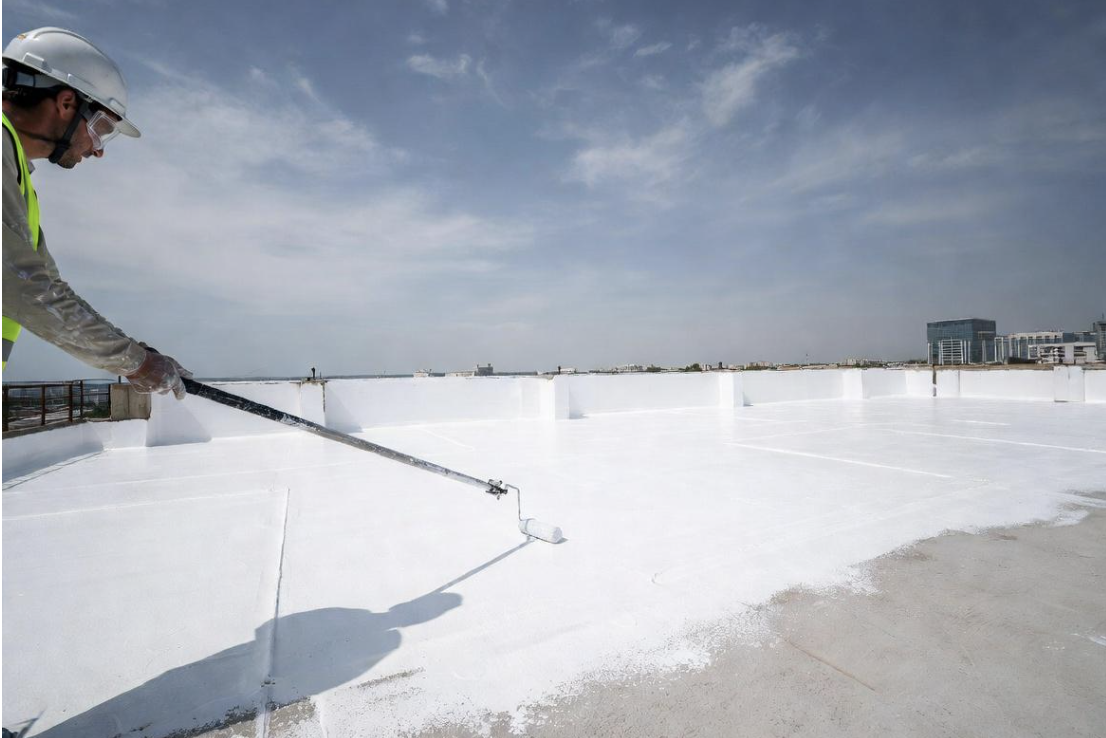
3. Applying the Polyurethane Waterproof Coating
Work in thin, even layers to avoid runs or pinholes. Most applications require two or three coats for a total dry film thickness of 1.0–2.0 mm.
- First coat: Apply generously using a roller or brush, working it into the surface. If using reinforcement mesh, embed it into the wet first layer while it is still tacky.
- Subsequent coats: Apply perpendicular to the previous layer once the first coat is touch-dry (usually 4–8 hours, depending on temperature and humidity). This cross-hatching technique ensures uniform coverage.
- For spray application, maintain consistent pressure and overlap passes by 50%.
- Pay special attention to edges, corners, joints, and penetrations—use extra material or additional mesh here.
Apply when ambient temperature is between 5°C and 35°C and relative humidity is below 85%. Avoid direct sunlight or rain during application and initial curing.
4. Curing and Protection
- Allow the coating to cure for at least 24–48 hours before exposure to light foot traffic. Full cure may take 7 days.
- Do not expose to standing water until fully cured (check manufacturer guidelines).
- For exposed applications, consider applying a UV-resistant topcoat or protective screed to extend service life.
5. Water Testing and Inspection
After full curing, perform a flood test or hose test to verify waterproofing performance. Inspect for any thin spots or defects and touch up as needed.
Common Mistakes to Avoid
- Applying too thickly in one coat, which causes cracking or solvent entrapment.
- Ignoring dew point or applying on damp surfaces.
- Poor mixing ratios leading to incomplete curing.
- Inadequate edge detailing around pipes, drains, or expansion joints.
When to Consider Complementary Waterproofing Products
While polyurethane coatings excel in seamless applications, certain projects benefit from combining systems. For flat roof or foundation work requiring additional layered protection, pairing with SBS waterproofing membrane can enhance overall durability. Similarly, in high-hydrostatic-pressure environments like deep basements, hdpe waterproof membrane provides an excellent rigid barrier option that complements liquid coatings.
Maintenance and Longevity
Once installed, polyurethane waterproof coatings require minimal maintenance. Inspect annually for damage from foot traffic, debris, or mechanical impact. Clean with mild detergent and repair localized areas promptly. With proper application, expect 10–20 years of reliable service life.
By following this comprehensive guide, you can achieve professional-grade waterproofing results that protect your structure for years to come. Always read and follow the specific technical data sheet provided with your chosen polyurethane waterproof coating product, as formulations can vary slightly between manufacturers. If you are unsure about any step, consult a qualified waterproofing specialist.